

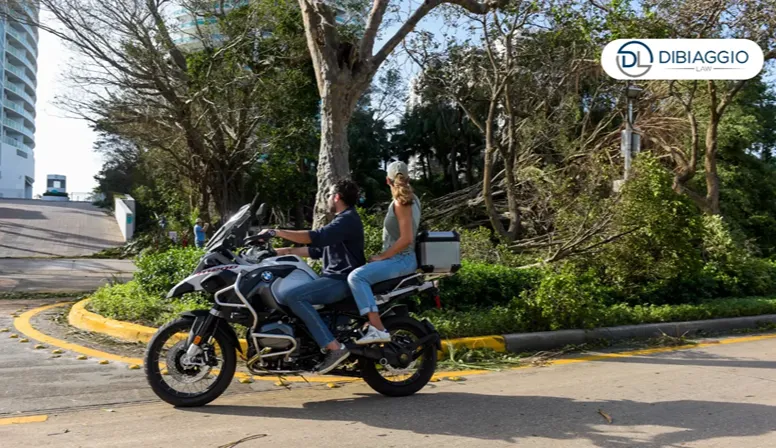
Motorcycles offer an unmatched sense of freedom, but riding on two wheels also comes with unique dangers. Even when you ride responsibly, your safety often depends on the decisions other drivers make. A moment of distraction, an unsafe lane change, or a driver who fails to yield can lead to a motorcycle accident with life-changing consequences.
In West Palm Beach, year-round riding weather, heavy tourist traffic, busy intersections, and sudden rainstorms all add to the risks of riding a motorcycle. You can’t eliminate every risk, but knowing what causes many motorcycle crashes can guide safer decisions on the road. If another person’s negligence causes a crash, knowing your legal rights can also change how the claims process unfolds.
At a Glance
- Motorcycle riders have far less protection than occupants of passenger motor vehicles, making crashes more likely to cause serious injuries.
- Drivers who fail to notice motorcycles remain one of the leading causes of motorcycle crashes.
- Busy intersections, blind spot lane changes, distracted driving, and poor road conditions increase the risks of riding a motorcycle in West Palm Beach.
- Florida requires motorcycle endorsements, prohibits lane splitting, and has specific helmet and eye protection requirements under Florida law.
- If an at-fault driver causes your injuries, gathering evidence early can strengthen your motorcycle accident claim.
Why Motorcycle Riding Carries Unique Risks
Riding a motorcycle requires constant awareness of your surroundings. Unlike passenger vehicles, motorcycles provide little physical protection during a collision. Even a relatively low-speed impact can leave injured riders facing catastrophic injuries, extensive medical treatment, and months away from work.
According to the National Highway Traffic Safety Administration (NHTSA), motorcycle riders are approximately 28 times more likely to die in a traffic crash per vehicle mile traveled than occupants of passenger vehicles. Motorcycles also account for a disproportionate share of traffic fatalities nationwide despite representing a much smaller percentage of registered vehicles.
Many crashes occur because drivers simply fail to recognize motorcycles in traffic. Smaller vehicles are easier to overlook during lane changes or left turns. When you combine limited visibility with distracted driving, congested roads, and changing weather conditions, the risks of riding a motorcycle increase considerably.
These hazards are worth knowing, both to protect your own safety and to recognize when another person’s negligence may have contributed to a collision.
Common Risks of Riding a Motorcycle in West Palm Beach
1. Drivers Who Fail to See Motorcycles
One of the greatest dangers facing motorcycle riders is simply not being seen. Many drivers look for larger vehicles before changing lanes, entering intersections, or pulling onto busy roads. Because motorcycles have a much smaller profile, drivers may incorrectly assume they have enough time to complete a maneuver.
Common situations include:
- Unsafe lane changes
- Vehicles entering traffic from side streets
- Drivers pulling out of parking lots
- Drivers turning across traffic
These collisions often occur even when the rider is following the posted speed limit and obeying traffic laws. Increasing your following distance, avoiding lingering in blind spots, and using headlights during daylight hours may improve visibility, but even cautious riders can’t control another driver’s actions.
2. Left-Turn Collisions at Busy Intersections
Left-turn crashes remain one of the most common types of motorcycle accidents. A driver attempting to turn left may misjudge a motorcycle’s speed or fail to notice it altogether. Instead of yielding, the vehicle turns directly into the rider’s path, leaving little time to avoid a collision.
Busy intersections throughout West Palm Beach and Palm Beach County, including corridors along Okeechobee Boulevard, Southern Boulevard, and Military Trail, see heavy daily traffic that can raise the likelihood of these crashes.
After this type of motorcycle accident, riders often suffer:
- Traumatic brain injuries
- Spinal cord injuries
- Broken bones
- Internal injuries
- Other serious injuries
Because left-turn crashes frequently involve disputes over the other driver’s fault, preserving evidence from the accident scene becomes an early priority.
3. Blind Spot Lane Changes
Many motorists fail to thoroughly check their mirrors before moving into another lane. A motorcycle traveling beside a larger vehicle can disappear into a blind spot, particularly on crowded highways such as I-95. When drivers suddenly merge, a rider may have only seconds to react.
In many situations, attempting to avoid another vehicle causes the rider to brake abruptly or lose control, resulting in a crash even without direct contact.
To reduce this risk:
- Avoid lingering beside larger vehicles.
- Pass decisively when conditions allow.
- Stay visible whenever possible.
- Anticipate sudden lane changes in heavy traffic.
Although defensive riding pays off, negligent drivers remain responsible when careless lane changes cause a motorcycle accident.
4. Distracted Driving
Distracted driving continues to be one of the leading causes of motorcycle crashes throughout Florida. Drivers looking at a phone, adjusting navigation systems, eating, or talking with passengers may fail to notice motorcycles until it’s too late.
Even a few seconds of distraction can prevent a driver from seeing:
- A motorcycle stopped at a red light
- A rider slowing with traffic
- A motorcycle traveling through an intersection
- A rider changing lanes safely
Unlike occupants of passenger vehicles, motorcycle riders have very little protection from impact. Collisions caused by distracted drivers frequently lead to lengthy recoveries, high medical expenses, lost time from work, and lasting physical limitations.
If distracted driving contributed to a crash, evidence such as surveillance footage, cellphone records, witness statements, and the police report may later support proving fault in a motorcycle accident case.
5. Sudden Rain, Slick Roads, and Other Road Hazards
Florida’s weather can change quickly. A brief afternoon rainstorm may leave roads extremely slippery, especially after a long dry spell. Many riders refer to these conditions as “Florida ice” because oil and other debris rise to the road’s surface, cutting traction.
Unlike larger motor vehicles, motorcycles rely on a much smaller contact patch between the tires and the road. Puddles, loose gravel, sand, potholes, uneven pavement, and road debris can all cause riders to lose control. These hazards become even more dangerous when traffic is heavy or visibility is reduced.
To lower your risk:
- Slow down during wet weather.
- Increase your following distance.
- Watch for standing water and loose debris.
- Avoid sudden braking or sharp turns on slick pavement.
- Inspect your tires regularly.
In some situations, poor roadway maintenance or dangerous road conditions may involve government entities or other parties, depending on the circumstances.
6. Limited Protection During a Crash
Even when wearing a helmet and protective clothing, motorcycle riders remain far more vulnerable than occupants of passenger vehicles. Without the protection of a vehicle frame, airbags, or seat belts, riders often absorb the full force of a collision.
Common injuries include:
- Traumatic brain injuries
- Spinal cord injuries
- Broken bones
- Internal injuries
- Road rash
- Burns
- Catastrophic injuries
These injuries often require extensive medical care, ongoing rehabilitation, multiple surgeries, and high medical expenses. Many riders also experience lost wages, lost income, emotional trauma, and long-term limitations that affect their ability to work and enjoy daily life.
Wearing helmets, jackets, gloves, boots, and other safety gear can’t eliminate every risk, but it can reduce the severity of certain injuries. Under Florida Statute § 316.211, riders under 21 must wear a DOT-approved helmet. Riders 21 and older may ride without one only if they carry at least $10,000 in medical insurance coverage for injuries from a motorcycle crash. All riders, regardless of age, must wear approved eye protection.
7. Insurance Challenges After a Motorcycle Accident
The dangers don’t always end after the crash. Many insurance companies view motorcycle claims differently than other collision claims. Some insurance adjusters may incorrectly assume riders take unnecessary risks or attempt to shift blame to the motorcyclist.
Under Florida Statute § 627.736, motorcycles are excluded from the state’s Personal Injury Protection (PIP) requirement, which means many injured riders must pursue compensation through the at-fault driver’s liability insurance or other available coverage.
This means a motorcycle accident claim may involve disputes over:
- Whether the other driver caused the collision
- Whether comparative negligence applies
- The extent of your injuries
- Future medical expenses
- Property damage to your motorcycle
- Lost earning capacity
Building a strong motorcycle injury claim often requires promptly gathering evidence, obtaining medical records, preserving photographs, interviewing witnesses, and working to prove negligence before evidence disappears.
What Should You Do After a Motorcycle Accident in West Palm Beach?
The steps you take after a crash may affect both your health and your ability to pursue a personal injury claim.
If you’re physically able, do the following:
- Call 911 and request law enforcement and emergency medical assistance.
- Seek immediate medical attention, even if you believe your injuries are minor.
- Obtain a copy of the police report when it becomes available.
- Photograph the vehicles, roadway conditions, and the accident scene.
- Collect contact information for witnesses.
- Notify the appropriate insurance company about the collision.
- Avoid discussing fault or giving detailed recorded statements before understanding your legal rights.
- Keep records of your medical treatment, medical bills, and other accident-related expenses.
Early documentation often makes a real difference when working to prove fault and pursue a fair settlement.
How Florida Law Can Affect Your Motorcycle Accident Claim
Several aspects of Florida law may influence your motorcycle accident case. Florida follows a modified comparative negligence system under Florida Statute § 768.81(6). If a jury finds you more than 50 percent responsible for a crash, you’re barred from recovering any damages. At 50 percent or less, your compensation is reduced by your share of fault rather than eliminated. Unlike the contributory negligence rule used in a few states, Florida’s system allows many injured riders to pursue compensation even when they share some responsibility, although recovery may be limited under certain circumstances.
Motorcycle riders should also know that Florida motorcycle law generally requires riders to have either a motorcycle endorsement on a driver’s license or a motorcycle-only license to legally operate a motorcycle.
Florida Statute § 316.209 prohibits lane splitting and lane filtering, though it does allow two motorcycles to ride two abreast in a single lane. And under Florida Statute § 95.11(3)(a), you have two years from the date of injury to file a personal injury lawsuit for crashes occurring on or after March 24, 2023. Missing this deadline can bar you from recovering compensation entirely, regardless of how strong your case is.
Because each case is different, speaking with a motorcycle accident lawyer soon after a crash can clarify your legal options.
Frequently Asked Questions
Why are motorcycles more dangerous than passenger vehicles?
Motorcycles provide far less physical protection than passenger vehicles. Riders are also more difficult for other motorists to see, increasing the likelihood of serious injuries during a collision.
Does Florida require motorcycle helmets?
Riders under 21 must wear a DOT-approved helmet under Florida Statute § 316.211. Riders 21 and older may ride without one only if they carry at least $10,000 in qualifying medical insurance coverage. All riders must wear approved eye protection regardless of age.
Is lane splitting legal in Florida?
Florida Statute § 316.209 prohibits both lane splitting and lane filtering for motorcycles.
What causes most motorcycle accidents?
Many motorcycle accidents involve left-turn collisions, distracted driving, unsafe lane changes, speeding, poor road conditions, and drivers who fail to notice motorcycles.
Can poor road conditions cause a motorcycle crash?
Loose gravel, potholes, standing water, sand, and road debris can all contribute to motorcycle crashes, particularly because motorcycles have less stability than larger vehicles.
What compensation may be available after a motorcycle accident?
Depending on the circumstances, an injured rider may seek compensation for medical expenses, lost income, future medical care, property damage, pain and suffering, and other legally recoverable damages.
Will the insurance company automatically pay my claim?
An insurance company may investigate the crash, question liability, or dispute the value of your insurance claim before offering compensation.
What if the other driver says the crash was my fault?
Evidence such as photographs, witness statements, surveillance video, vehicle damage, and accident reconstruction may establish what happened and identify the at-fault driver.
How long do I have to file a motorcycle accident lawsuit in Florida?
Under Florida Statute § 95.11(3)(a), you have two years from the date of injury to file a lawsuit for crashes occurring on or after March 24, 2023. Older claims may still fall under the previous four-year window.
Should I speak with a motorcycle accident lawyer after a crash?
Many riders choose to speak with a motorcycle accident lawyer to better understand their rights, the claims process, and the options available for pursuing compensation after a serious collision.
Contact DiBiaggio Law After a Motorcycle Accident in West Palm Beach
A serious motorcycle accident can leave you facing painful injuries, growing medical bills, time away from work, and uncertainty about what comes next. When another person’s negligence causes a crash, pursuing a personal injury claim may help you seek compensation for your financial and personal losses while holding the responsible party accountable.
For more than 30 years, West Palm Beach motorcycle accident lawyer Deirdre DiBiaggio has represented injured people throughout Palm Beach County. Ms. DiBiaggio understands the challenges motorcycle accident claims often present, including disputes over liability, anti-rider bias, and negotiations with insurance companies that may try to minimize payouts. From investigating the collision and gathering evidence to handling settlement negotiations, the team works to build a well-supported claim while you focus on your recovery.
If you’ve been injured in a motorcycle accident in West Palm Beach, contact DiBiaggio Law today. Call (561) 473-9800 or complete the confidential online form to schedule your free consultation. There are no upfront attorney’s fees, and the firm only collects fees if compensation is recovered.
While you wait for your free consultation, we invite you to read testimonials from our clients.
Copyright © 2026. DiBiaggio Law. All rights reserved.
The information in this blog post (“post”) is provided for general informational purposes only and may not reflect the current law in your jurisdiction. No information in this post should be construed as legal advice from the individual author or the law firm, nor is it intended to be a substitute for legal counsel on any subject matter. No reader of this post should act or refrain from acting based on any information included in or accessible through this post without seeking the appropriate legal or other professional advice on the particular facts and circumstances at issue from a lawyer licensed in the recipient’s state, country, or other appropriate licensing jurisdiction.
DiBiaggio Law
605 Belvedere Road, Suite 17
West Palm Beach, FL 33405
(561) 473-9800
https://dibiaggiolaw.com
